Same-Day Delivery Is Changing Store Layouts and Inventory: What Shoppers Should Know
October 05, 2026 - Industry News


October 02, 2026 - Shopping Tips

A jacket ordered in the wrong size. A blender that shudders on the second setting. A gift that missed the mark. Returns are where a retailer's promises meet real life, and the store format you bought from shapes almost everything about how that goes: how long you have, what you need to bring, and whether the process costs you anything. Big-box, department, and online sellers handle returns differently enough that a few minutes of checking before you buy can save an hour of frustration later.
The return window is the first thing to confirm, because it is the one rule that cannot be argued at the counter. Clerks can sometimes waive a fee or look up a lost receipt. They cannot usually override an expired deadline, since the register will simply refuse the transaction.
Big-box stores generally land in the 30-to-90-day range for most merchandise, but they carve out categories with much shorter clocks. Electronics, computers, cameras, drones, and anything that has been opened often get 14 to 30 days. Furniture and major appliances usually fall somewhere in between and frequently require the original packaging.
Department stores tend to be more forgiving. Thirty to 60 days is common for a straightforward refund, and many extend that for customers using the store's own credit card. Some accept full-price items with tags still attached well past the standard window, though clearance, cosmetics, and intimate apparel are almost always excluded.
Online retailers typically start the clock on the delivery date, not the order date. That distinction matters when a package sits in a mailroom for a week. A few quirks worth knowing before you buy:
Proof of purchase is where most returns succeed or stall. The hierarchy is fairly consistent across formats:
Online purchases add the order number and packing slip, and a printed label or QR code. Keep the confirmation email until the return is complete; it is the only document that ties the item to the transaction.
Restocking fees are less common than they were a decade ago, but they have not disappeared. They cluster in categories where an opened box destroys resale value: large appliances, furniture, mattresses, cameras and lenses, drones, projectors, and special orders. The fee is usually a percentage of the purchase price rather than a flat charge, and it is almost always disclosed in the policy rather than at the register.
Two things are worth asking before you buy something expensive. First, whether the fee applies to opened items only or to any return. Second, whether it is waived when the product is defective or when you are exchanging rather than refunding. In many policies, a genuine defect shifts the cost back to the retailer. If a dispute over a large purchase turns into a warranty or consumer-rights question, it is worth checking your local consumer protection office or a legal professional for guidance.
Online ordering does not always mean mailing things back. Many big-box chains accept online orders at their physical locations, which skips the shipping label entirely and often processes the refund faster. Check the policy, though — some retailers only accept online returns by mail, and some charge for it.
Retailers either provide a prepaid label or deduct the return shipping cost from your refund. If free shipping was contingent on a minimum order and your return drops you below that threshold, the original shipping charge may be subtracted too. Drop-off networks and locker locations have made the physical errand easier, but you still need the packaging.
Hold on to the original box and all inserts for at least the length of the return window. Missing cables, manuals, or the foam that protects a screen can turn a full refund into a partial one, or a rejected return.
Walking in with the receipt, the order number, the card you paid with, and the original packaging covers nearly every scenario a clerk will ask about. Do that, and a return becomes a five-minute errand instead of an argument.
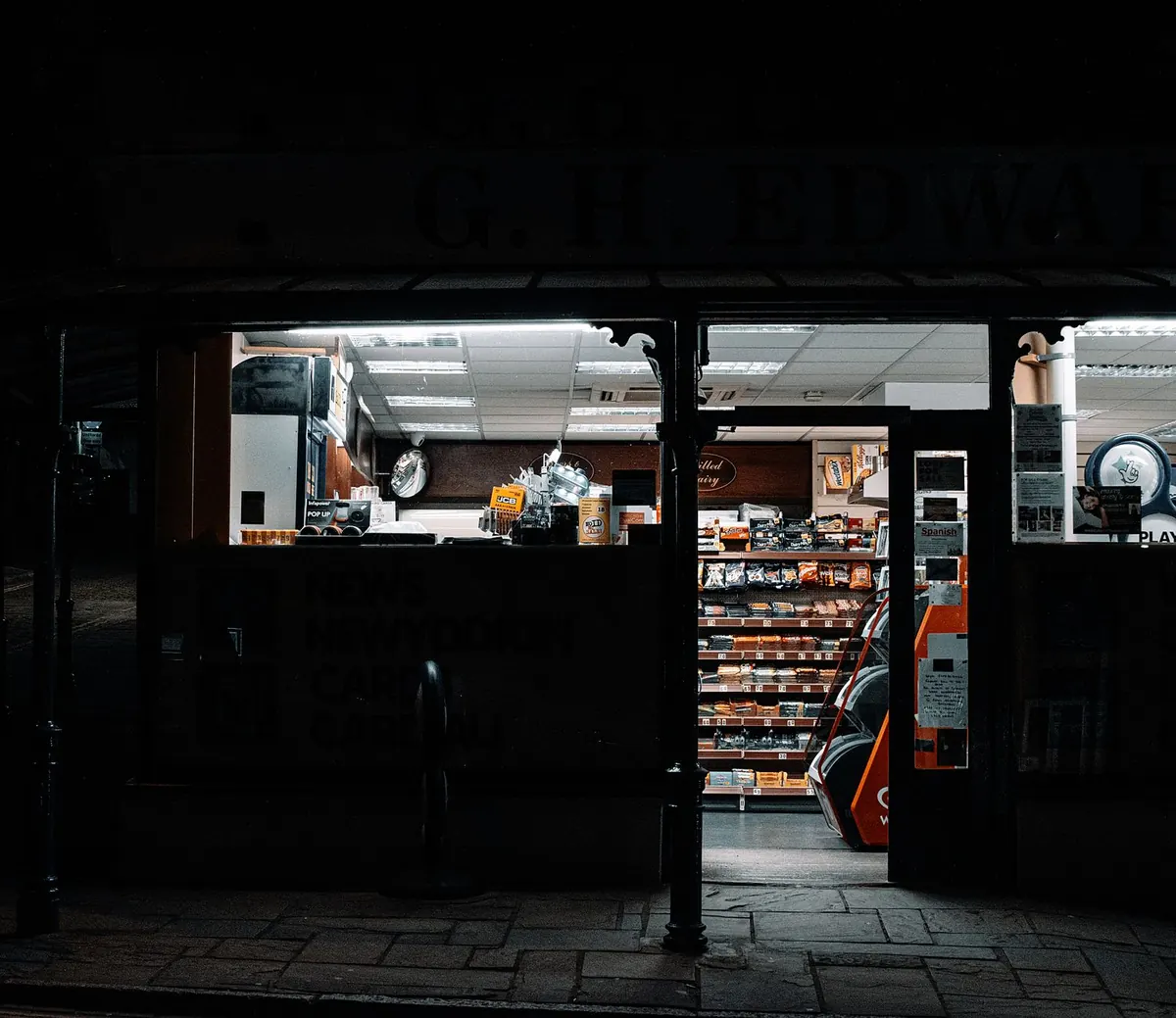
Photo: Tom Tillhub / Pexels
Retailers are remaking aisles, stockrooms, and pickup zones to fulfill same-day orders. Here’s how those changes...

A practical pre-purchase checklist for online furniture shopping, covering measurements, material jargon, delivery...
Copyright © 2026 Retail Dale. All Right Reserved.