Same-Day Delivery Is Changing Store Layouts and Inventory: What Shoppers Should Know
October 05, 2026 - Industry News


October 02, 2026 - Shopping Tips

A sofa looks different in a warehouse photo than it does wedged in your hallway at an angle, with the delivery driver suggesting you "try it the other way." That gap between the listing and your living room is where most furniture regrets begin. Almost every one of them is avoidable, though. The piece that doesn't fit, the "leather" that peels in year two, the return that costs more than the ottoman — all of it is visible on the product page if you know where to look. Here's what to check before you hand over your card.
Most people measure the wall where the sofa will land. That's the easy half. The hard half is everything the box has to pass through first.
Then do the physical version: tape the footprint on the floor with painter's tape, and cut a cardboard box to the piece's height so you can feel how much room it actually takes. While you're there, note outlets, vents, radiators, and how far a recliner needs to lean back. A tape measure is cheaper than return freight.
Material descriptions are written to be technically true and emotionally reassuring. Learn the translations.
Solid wood means the piece is the same species throughout — heavy, repairable, expensive. Wood veneer is a thin slice of real wood over plywood or MDF; it's stable and often well made, but it can't be sanded down and refinished repeatedly. Engineered wood, particle board, and MDF are sawdust and resin pressed into panels. They're fine for budget pieces and shelves, but they're weak at joints and don't survive a move well. Watch for "solid wood frame" — that usually describes the frame only, not the drawer fronts or top.
Bonded leather is shredded leather fiber held together with a binder and a plastic topcoat. It can peel, and it's the most common source of "this isn't leather" complaints. Faux leather, PU leather, and vegan leather all mean a synthetic coating — not automatically bad, just know what you're buying. If the listing doesn't say top-grain or full-grain, assume it isn't.
"Performance fabric" is a marketing term, not a single standard. Ask for the fiber content and the cleaning code before you commit, especially in a house with pets or toddlers. Request a physical swatch if the retailer offers one, because screens shift colors — the sage green on your monitor may arrive as olive.
"Free shipping" on a furniture listing usually means a box left at the curb by a freight truck. The tiers matter:
Then look for the fees that appear at checkout: stairs, long carry, liftgate, island or ferry delivery, and rescheduling. Freight deliveries typically arrive in a multi-hour window and require an adult signature, so plan a day around it. When the truck shows up, open the box and inspect before signing. Photograph any dents, tears, or crushed corners and note the damage on the delivery paperwork before the driver leaves. Signing a clean receipt can make a later claim much harder to win.
Flat-pack furniture is not a scam, but it is a commitment. A nightstand takes twenty minutes. A three-door wardrobe can take an afternoon, two people, and vocabulary you'd rather not use in front of the neighbors. Before ordering, check whether the listing says "assembly required" or "ready to assemble," whether tools are included, and how many boxes it ships in — a five-box order can arrive over three different days.
Two more things worth planning for. First, weight: large flat-pack pieces are heavier and more awkward than the photo suggests, so line up a second person for anything substantial. Second, anchoring. Tall bookcases and dressers should be secured to the wall with the included anti-tip hardware, particularly in homes with small children or climbing cats. And keep the hardware bag, the instructions, and the original packaging until you're certain the piece is staying — most returns require the original box.
This is the section that separates a good deal from a trap. Return windows vary widely and usually run from the delivery date, not the order date, which matters when a made-to-order item takes ten weeks to arrive.
Buy from the retailer's own site when you can, and read its policy page rather than a marketplace summary. Save the confirmation email and take a screenshot of the listed dimensions and materials. If something arrives wrong, that record is your leverage.
Do one last pass over the listing in five places: the dimensions, the material line, the delivery tier, the assembly note, and the return window. If any of them is vague, email the seller and ask — a polite question before purchase gets a much better answer than a complaint afterward. Pay with a card that gives you some dispute protection, and be suspicious of unusually low prices on pieces described as solid wood; the description is usually the thing that's wrong, not the price. Twenty extra minutes of reading now is a small price for a sofa you'll still like in five years.
Photo: Vitaly Gariev / Pexels

Retailers are remaking aisles, stockrooms, and pickup zones to fulfill same-day orders. Here’s how those changes...
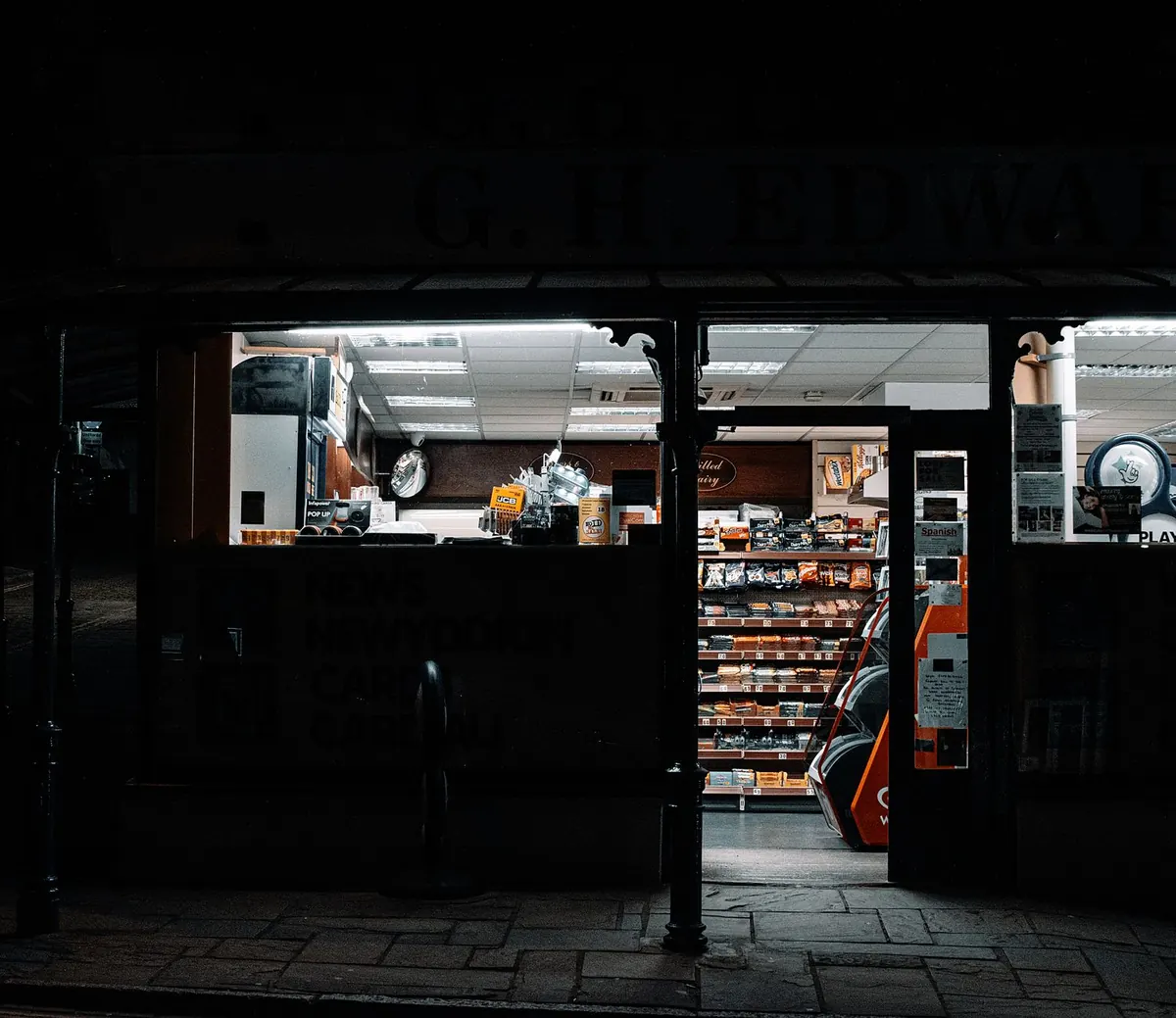
A practical guide to finding independent shops in your area, comparing their prices fairly against chains, and...
Copyright © 2026 Retail Dale. All Right Reserved.