Same-Day Delivery Is Changing Store Layouts and Inventory: What Shoppers Should Know
October 05, 2026 - Industry News


October 02, 2026 - Shopping Tips
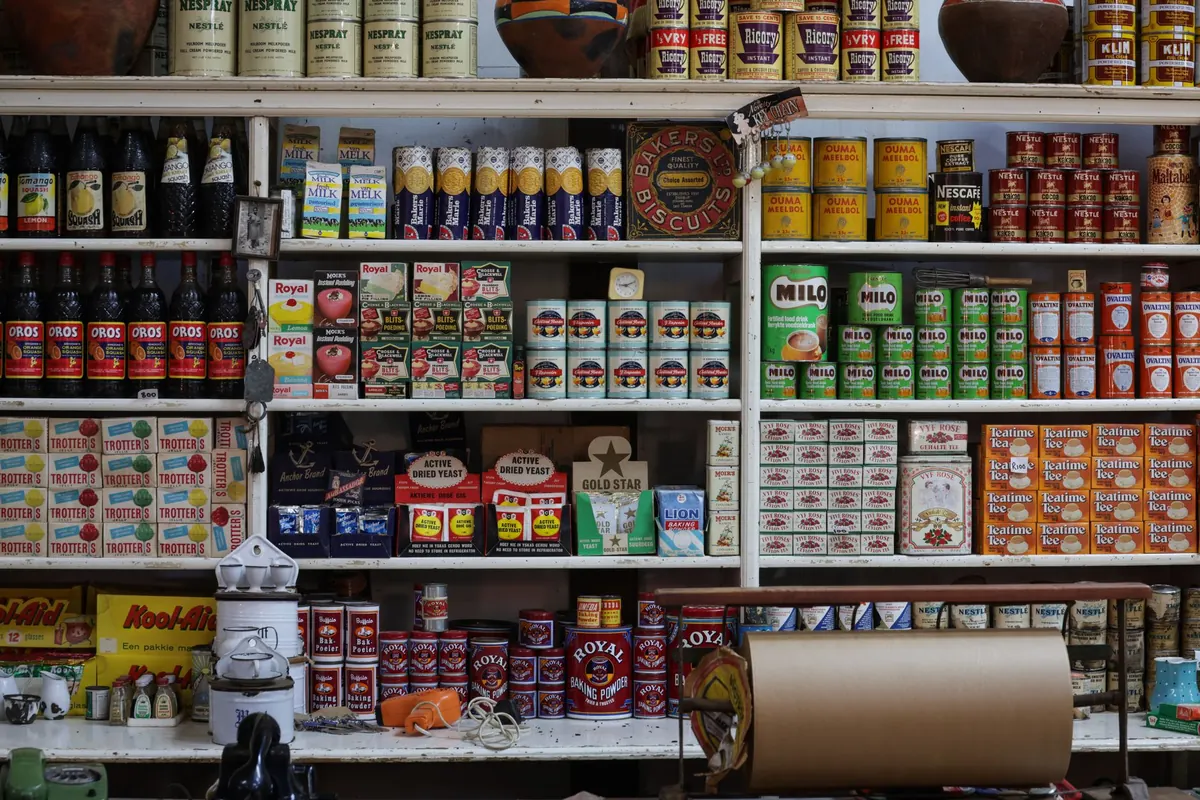
There's a moment in every grocery run when you're holding two nearly identical jars, and the only obvious difference is the price. Store brands have closed much of the gap in recent decades, and in plenty of categories the cheaper option is genuinely just as good. In others, the gap is real and worth paying to close.
What follows is a category-by-category look at pantry goods, household supplies, and personal care — how to compare quality, ingredients, and returns, and how to decide in the aisle without turning your shopping trip into a research project.
Store brands are often produced by the same contract manufacturers that make national brands, sometimes on the same line with a different label and a different spec. That doesn't mean the products are identical — the retailer sets its own target for quality, and that target varies by chain and by product.
The fastest way to compare is to flip both packages over. Look at three things:
Two minutes with two labels usually settles the question better than brand reputation does.
Commodity goods are the easiest call. Flour, granulated sugar, dried beans, plain rice, rolled oats, frozen vegetables, and canned tomatoes rarely differ in any meaningful way. Salt is salt. Baking soda is baking soda.
Name brands earn their premium when the product depends on proprietary processing or a specific flavor profile. Ketchup, mayonnaise, coffee, breakfast cereal, peanut butter, and carbonated drinks are the classic examples — the recipe is the product, and a small change in texture or acidity shows up in the first bite.
Buy the smallest size of anything unfamiliar once. If the texture is off or the seasoning is flat, you've lost a dollar or two, not a shelf's worth of faith.
Cleaning chemistry is not mysterious. Bleach is sodium hypochlorite. Dish soap is surfactants and water. All-purpose spray is largely the same handful of ingredients whether the bottle is blue or white. If the percentages on the back match, buy on price.
Paper goods are a different story. This is the category where store brands swing the widest, and where the sticker price lies most often. Toilet paper sold as "double rolls" can hide a much smaller sheet count, and paper towels vary in ply, sheet size, and absorbency.
Compare these numbers instead of the headline price:
Laundry detergent deserves its own note. Store-brand versions are usually fine for everyday washing, but enzyme blends and scent levels differ. If you have hard water, sensitive skin, or a front-loading machine, a formula you already trust may be worth the extra money.
Sunscreen, antiperspirant, and fluoride toothpaste are regulated categories. If a store brand lists the same active ingredient at the same concentration as the name brand, the protection or cavity-fighting claim is held to the same standard. The differences you'll notice are texture, scent, how a lotion absorbs, and whether the pump works.
Where store brands get riskier: products for sensitive skin, contact lens solution, medicated shampoos, and anything treating a condition rather than cleaning or moisturizing. If your skin or scalp reacts badly, switching back costs more than the savings. For ongoing skin or scalp problems, ask a pharmacist or dermatologist rather than experimenting aisle-side.
This is where store brands often have a quiet advantage. National brands typically print a satisfaction guarantee on the package with a phone number or address. You call, explain what went wrong, and they usually send a coupon. It works, but it takes time.
Store brands are backed by the retailer instead. That usually means walking the item back to the service desk with your receipt, or having the purchase on your loyalty account. In practice it's faster and more forgiving — and many chains accept returns on opened food and personal care when the product disappointed.
A workable default: buy the store brand first, and upgrade only when you can name the specific thing you dislike. That keeps your money where the difference actually shows up.
Pay for name brands where the difference is something you can taste, feel, or see. Take the store brand where the difference lives only on the label.
Blind-test at home for the handful of items you're unsure about. Pour two coffees, set out two crackers, try two paper towels on the same spill. Keep a short note on your phone — "buy store brand," "never again" — and update it as you shop. One line per item, and it saves you the same debate every week.
Then let it go. Most households can shift a meaningful share of the basket to store brands without noticing, and the few items where the name brand wins are worth the loyalty they earn.
Photo: Magda Ehlers / Pexels

Retailers are remaking aisles, stockrooms, and pickup zones to fulfill same-day orders. Here’s how those changes...

A practical pre-purchase checklist for online furniture shopping, covering measurements, material jargon, delivery...
Copyright © 2026 Retail Dale. All Right Reserved.