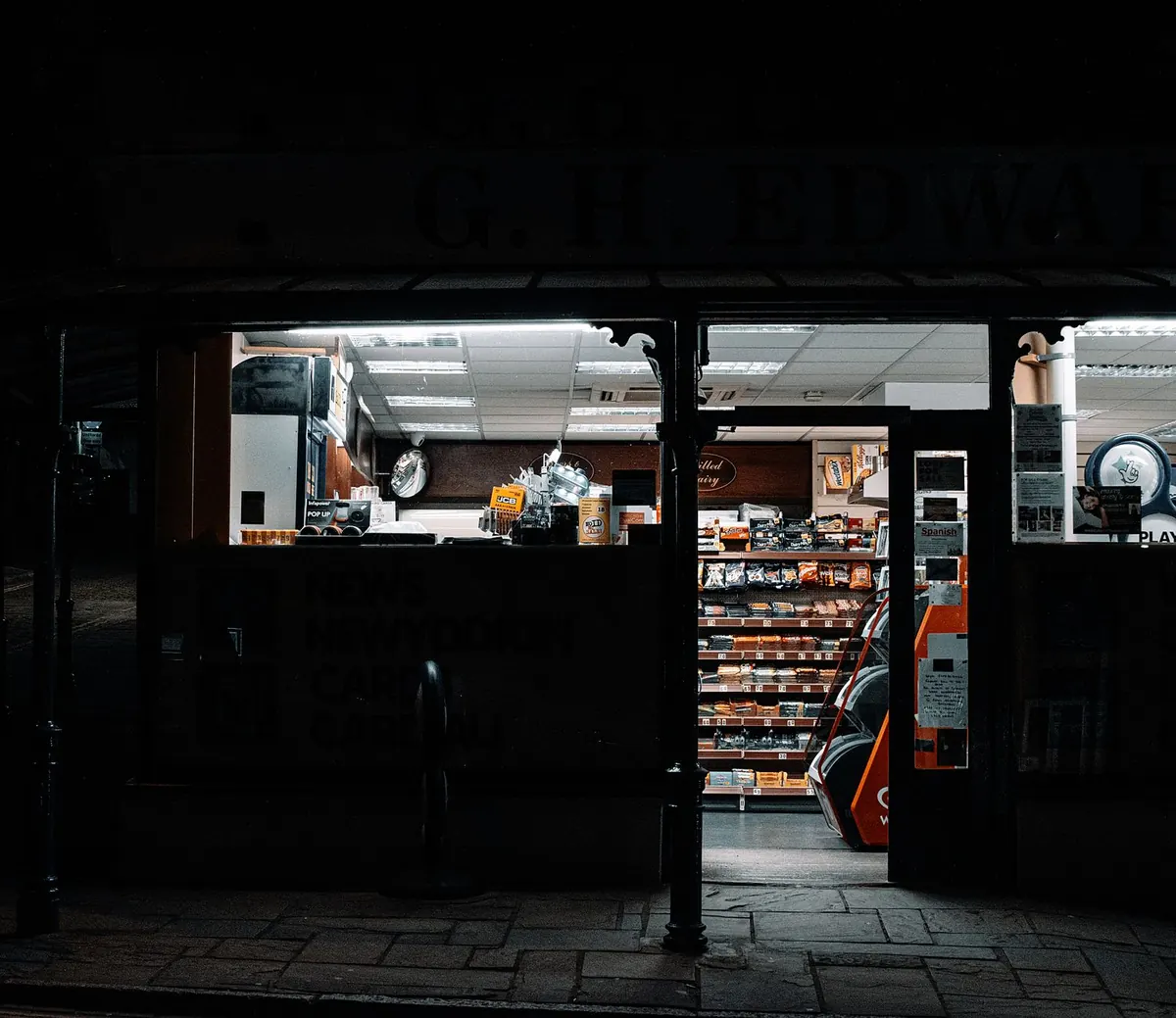
Same-Day Delivery Is Changing Store Layouts and Inventory: What Shoppers Should Know
October 05, 2026 - Industry News


October 02, 2026 - Shopping Tips

Black Friday rewards speed. That is the problem. The countdown timers, the low-stock warnings, the email that says a deal ends in four hours — all of it is built to move you past the thinking part and straight to the checkout button. Some of those discounts are genuine. The savings, though, only stick if you avoid a handful of predictable mistakes that quietly cancel them out.
None of this requires spreadsheets or extreme couponing. It requires knowing where the money leaks out.
The original price on a product page is a marketing decision, not a fact. Some retailers inflate the list price for a few weeks so the discount looks dramatic, and enforcement of pricing rules varies widely by country and state. The comparison you care about is not "was versus now." It is "now versus what this item normally sells for."
Before you buy anything expensive, spend two minutes checking the price history. Browser extensions and price-tracking sites keep records of how a specific product has been priced over months, not days. If a blender has hovered around $180 all year and today's "original price" is $299 with a sale tag of $199, you are looking at a $19 discount dressed up as a $100 one. That is not a bargain; it is a costume.
Two deals for the same product rarely line up cleanly. One retailer bundles in a case, an extended warranty, or a subscription; another just cuts the headline price. Bundles are not automatically better — you may be paying for accessories you would never buy on their own.
Do the math on the unit you actually need. If a bundle costs $40 more but includes a $60 accessory you were going to purchase anyway, it wins. If it includes a carrying case you'll never open, it doesn't. Same logic applies to doorbusters: the cheapest configuration is often the one with the smallest storage, the shortest warranty, or a screen that's a size down from what you wanted. A cheap version of the wrong thing is still the wrong thing.
Flash timers work. That's why every retailer uses them. The countermeasure is boring and effective: make your list before the sales start, with rough price ceilings next to each item. If something you didn't plan for catches your eye, put it in the cart and finish your list first. Then decide.
If stock is genuinely limited and you can't wait, run one question instead: would I buy this at this price in the middle of March? If the answer is no, the discount isn't the reason you want it.
"Only 2 left" tells you almost nothing. It might refer to one size, one color, one warehouse allocation, or a number the system refreshes every few minutes. What it does reliably is hurry you along.
There are real inventory traps worth knowing about, though:
Save your order confirmation. If the price, item, or delivery date changes afterward, that email or screenshot is your evidence.
Many retailers extend their return window for holiday purchases — but the extension usually comes with exceptions. Electronics, opened items, large appliances, furniture, and anything marked final sale are the usual suspects. Restocking fees can show up on big-ticket returns.
Read the policy for the specific item before checkout, not after. Three things to confirm: the deadline in actual calendar dates (not "30 days"), whether the item must be unopened, and who pays return shipping. And if you're buying through a marketplace seller on a big retailer's site, remember the seller's terms may apply rather than the retailer's.
A $70 discount disappears fast when you add $12 shipping, a $25 membership to qualify for the "member price," and a warranty pitch at checkout. Free-shipping thresholds cause their own damage: adding $18 of filler to save $9 in shipping is a losing trade.
Store credit cards deserve a hard look too. The instant discount is real; so is the interest if you carry a balance. If debt is already a concern in your household, that is a conversation worth having with a qualified financial professional before the sales start, not at the checkout screen.
By the time the packages arrive, most people have forgotten what they paid or when the return window closes. Keep a simple running note: item, price paid, retailer, return deadline, ship date. Screenshot the product page showing the price at purchase — several retailers offer price adjustments if the item drops again within a set window, but they typically need proof and a request from you. Nobody is going to apply that credit automatically.
Before you hit buy on anything meaningful, run through this:
Black Friday doesn't require willpower so much as preparation. A list, a price check, and five minutes of reading the fine print will protect more money than any doorbuster ever gives you.
Photo: Caleb Oquendo / Pexels

Retailers are remaking aisles, stockrooms, and pickup zones to fulfill same-day orders. Here’s how those changes...

A practical pre-purchase checklist for online furniture shopping, covering measurements, material jargon, delivery...
Copyright © 2026 Retail Dale. All Right Reserved.